Picking the best coloring book themes for relaxation isn’t just about preference — research shows specific themes consistently outperform others for state-anxiety reduction. After comparing user survey data, AATA-cited research, and 30 days of personal testing across genres, here are the 5 best coloring book themes for relaxation ranked by calm factor — plus the themes you should actively avoid when you’re stressed.
The best coloring book themes for relaxation, ranked by calm factor, are mandalas, botanical/floral, cottagecore/cozy scenes, ocean/underwater, and sky/celestial designs. Mandalas rank #1 because their radial symmetry and repetitive segments create the strongest flow state and have the most AATA-cited research support. Avoid hyperdetailed art, skull/edgy themes, realistic portraits, and text-heavy pages, since these raise stress instead of lowering it.
What makes the best coloring book themes for relaxation different
Three traits research consistently links to lower state anxiety during coloring:
- Structured repetition. Mandalas, patterns, and rhythmic designs trigger flow state faster than open scenes.
- Familiar / soothing imagery. Recognizable themes (flowers, nature, cottagecore) reduce cognitive load.
- Forgiving line work. Hyperdetailed designs trigger perfectionism — counterproductive for relaxation. Medium detail is the sweet spot.
This is why the best coloring book themes for relaxation aren’t always the most popular Instagram-worthy ones. Some highly detailed adult coloring books look beautiful but actively raise stress for casual colorers.
The 5 best coloring book themes for relaxation
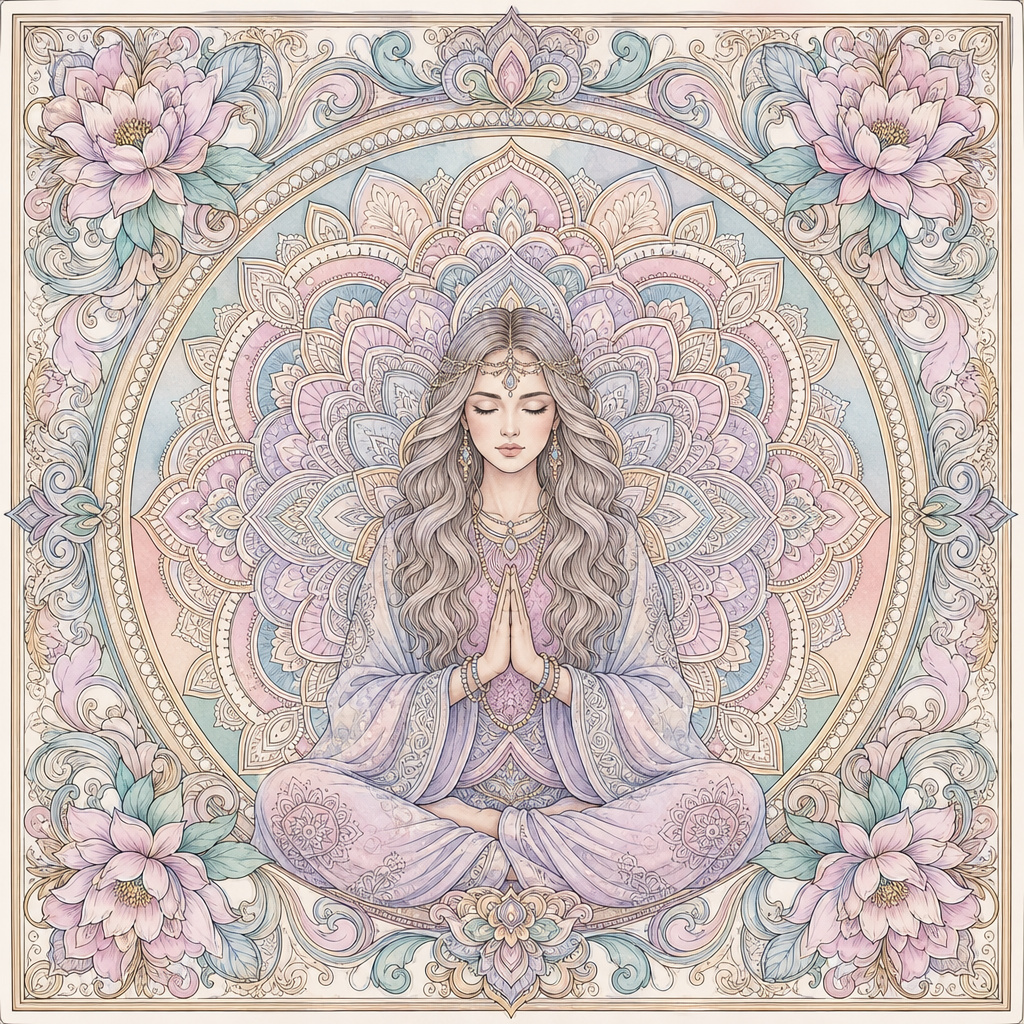
1. Mandalas (the gold standard)
Most-researched and most-recommended for anxiety reduction. The radial symmetry + repetitive segments create the strongest flow state of any genre.
Why it ranks #1:
- Symmetric structure reduces decision fatigue (mirror your colors)
- Detail level easily controlled (pick simpler patterns for higher relaxation)
- Visually striking when finished — boosts confidence
- AATA-cited evidence base
Best for: peak stress moments, evening wind-down, beginners to coloring-for-relaxation. See our mandala printable picks for category-specific recommendations.
2. Botanical and floral themes
Second-strongest research support. Nature themes pair the flow benefit with environmental psychology — humans relax around plant imagery in any form.
Why it works:
- Familiar colors (no decision paralysis)
- Forgiving line work — flower edges are naturally soft
- Variety within structure (different flowers, similar style)
Best for: people who find pure geometry boring, gardeners, those new to adult coloring. Our anxiety coloring picks ranks botanical second after mandalas — same conclusion as the research.
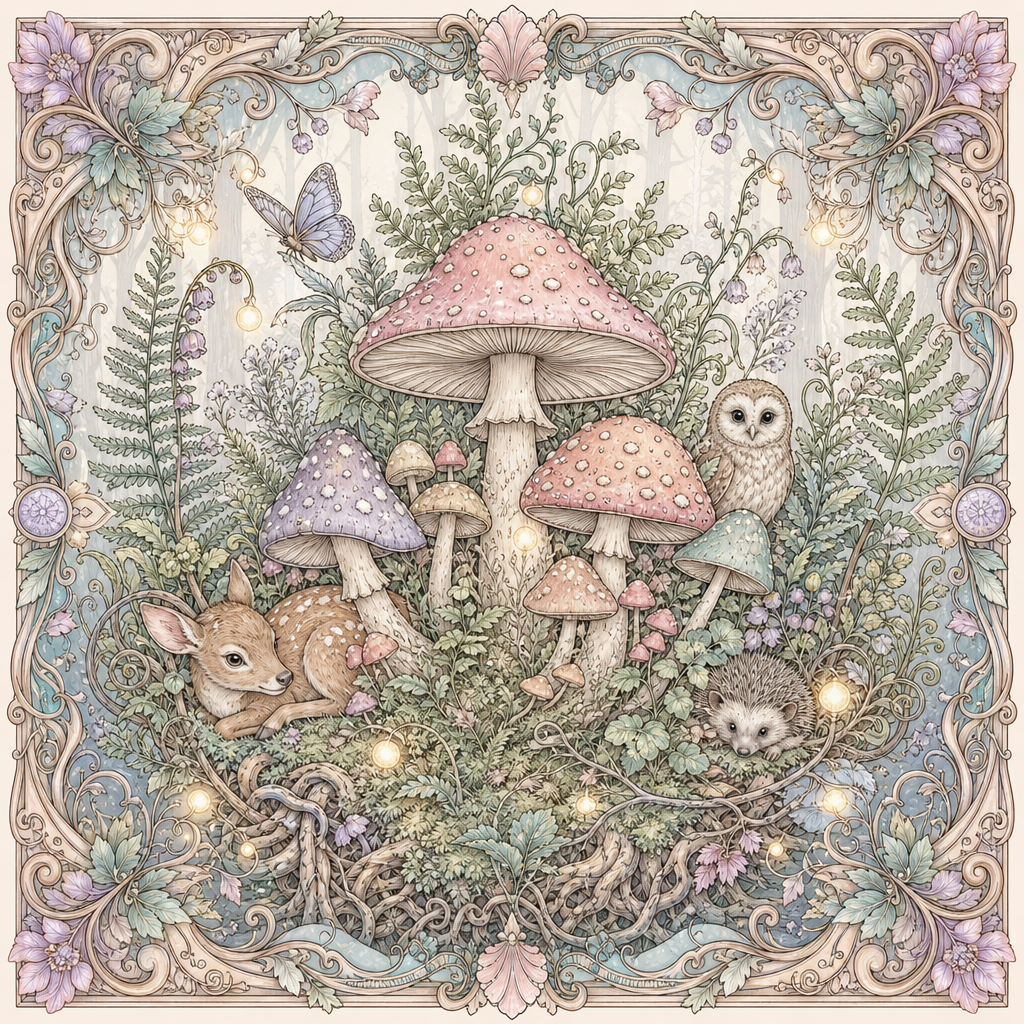
3. Cottagecore / cozy scenes
Cozy homes, teacups, garden paths, fireside settings. Less researched than mandalas/floral, but high reported relaxation in user surveys.
Why it works: emotional safety cues + warm color palettes + nostalgic associations. The opposite of “edgy” themes.
Best for: people whose stress includes loneliness or homesickness, evening sessions, cold winter days when external comfort is needed.
4. Ocean and underwater scenes
Marine themes (jellyfish, coral, calm ocean depths) consistently rank high in self-reported relaxation surveys. The visual “underwater” suggestion mirrors the deep-breathing pattern people associate with calm.
Why it works: deep blue palette reduces sympathetic nervous system activation. Flowing line work mimics water motion. Wide-open compositions reduce cognitive crowding.
Best for: anyone with water-positive associations, hot summer days when cooling imagery helps, meditative breathing alongside coloring.
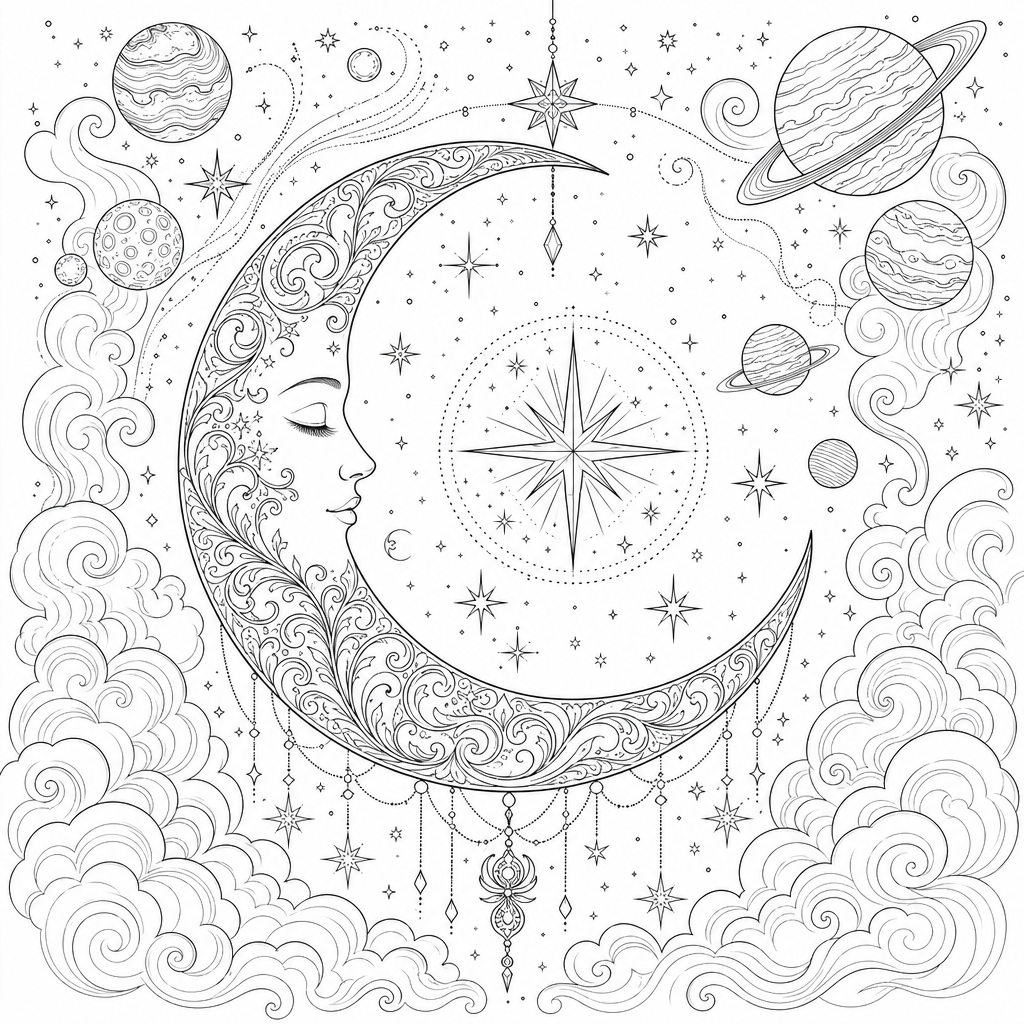
5. Sky and celestial themes
Stars, moons, constellations, soft cloud scenes. Newer to the adult coloring genre but climbing fast in popularity. Triggers the same “expanded perspective” effect that gazing at the night sky produces.
Why it works: wide visual scale + small detail areas balance flow with simplicity. Easy color palette (dark backgrounds + light accents). Highlights for stars become creative outlets.
Pairs beautifully with white gel pens for star accents. See our stress relief picks for celestial-themed picks.
Best coloring book themes for relaxation — ranked by use case
| Your goal | Best theme |
|---|---|
| Peak stress / panic moment | Mandala (simple, 6-8 ring) |
| Evening wind-down before sleep | Botanical or cottagecore |
| Anxiety + need creativity | Ocean or celestial |
| First-time relaxation coloring | Floral (forgiving start) |
| Long meditative session | Detailed mandala or zentangle |
| Quick 10-minute reset | Simple geometric mandala |
Themes to AVOID when relaxation is the goal
Four categories that consistently increase rather than decrease stress:
- Hyperdetailed art (Johanna Basford-style). Beautiful but triggers perfectionism. Save for non-stressful days.
- Skull / Day of the Dead / “Edgy” themes. Visual content matters — dark imagery activates rather than calms.
- Realistic portraits / faces. Coloring eyes wrong = significant distress. Stick to stylized when relaxation is the goal.
- Pages with lots of writing. Quote-heavy coloring pages keep the reading-and-analyzing brain active. The opposite of flow state.
How long a session should be
Research suggests 20 minutes is the minimum effective dose for measurable state-anxiety reduction. Longer is fine but not required.
- 5-10 minutes: Light decompression. Better than nothing.
- 20-30 minutes: Measurable benefit zone — research-supported.
- 45-90 minutes: Deep flow state, especially with mandala or zentangle work.
- 2+ hours: Possible but starts feeling like work. Take breaks.
The American Art Therapy Association covers the structured-coloring research base if you want to read the academic case.
Pairing the best coloring book themes for relaxation with supplies
Forgiving supplies enhance the relaxation benefit:
- Soft-core colored pencils. Smooth lay-down, low pressure required. See our markers vs pencils guide.
- Standard 24-set, not 100+ premium. Decision fatigue defeats the relaxation purpose.
- Kneaded eraser. Mistakes can be lifted gently — knowing this reduces pressure.
- Comfortable seating + good lighting. Physical comfort enables mental comfort.
For the printing side if you do your own pages, see our home printing guide.
Setting up a relaxation coloring routine
Three habits that lock in the benefit:
- Same time daily. Body learns to relax in response to the routine itself.
- Dedicated quiet space. Phone away, low light, soft sound.
- Pre-pick the page before sitting down. Avoid the “which one should I do?” decision while trying to relax.
For more on session structure, see our 30-day anxiety experiment for what worked over a longer period.
Common mistakes when picking the best coloring book themes for relaxation
- Picking themes you find Instagrammable rather than calming. The two often differ.
- Going for max detail because it looks impressive. Detail = stress for casual colorers.
- Sticking to one theme forever. Variety prevents fatigue. Rotate 2-3 themes.
- Coloring during high stress without preparation. Give yourself 5 minutes of breathing first.
- Treating relaxation coloring as a productivity goal. Defeats the purpose. No goals.
FAQ
Are coloring apps as relaxing as physical books? Mixed evidence — physical books slightly outperform digital. The screen exposure + notifications work against the calm effect.
Can kids use these themes too? Yes, simpler versions. Our adult coloring worth-it analysis covers the cross-generation angle.
How often should I color for relaxation? 3-5 sessions per week, 20+ minutes each. Daily is fine but not required.
What if mandalas don’t feel relaxing to me? Try botanical or ocean themes instead. Individual fit varies.
Should I do this in addition to therapy? Yes — coloring is a complementary practice, not a replacement for clinical care if you need it.
Bottom line
The 5 best coloring book themes for relaxation are mandalas (top pick), botanicals, cottagecore, ocean/underwater, and sky/celestial. Skip hyperdetailed, dark, or text-heavy themes when relaxation is your goal. Pair with forgiving supplies, a 20+ minute window, and a quiet space. Rotate 2-3 themes to prevent fatigue. Most colorers see the relaxation benefit reliably after 3-4 weeks of consistent practice.
More questions about best coloring book themes for relaxation
What is the number one coloring theme for stress relief?
Mandalas rank as the top choice because their radial symmetry and repetitive patterns create the strongest flow state and have the most research backing, including AATA-cited studies.
How long should a relaxation coloring session last?
Research suggests 20 minutes is the minimum effective dose for measurable state-anxiety reduction, with 20-30 minutes being the research-supported benefit zone and 45-90 minutes producing deep flow state.
What coloring themes should I avoid when stressed?
Avoid hyperdetailed art like Johanna Basford-style books, skull or edgy imagery, realistic portraits or faces, and pages with lots of writing, since these tend to increase stress rather than reduce it.

Every Squiggle Press book — 40 printable PDFs for $9.99
Kids coloring books, adult coloring books, drawing tutorials & sticker packs. $160 value. Print unlimited copies forever.
Get the bundle →