Some links below are affiliate links. If you buy through them we may earn a small commission at no cost to you.
If you’re looking for the best coloring books for anxiety, you’re working with one of the few “self-care” practices with actual research behind it. The American Art Therapy Association has documented coloring’s stress-reduction mechanism, and a 2017 study in Arts in Psychotherapy showed measurable reductions in state anxiety after 20-minute structured coloring sessions. Below are the 5 best coloring books for anxiety — sorted by what the research actually supports, plus the themes you should skip when feeling anxious.
How the best coloring books for anxiety actually work
Three things happen during a 20-minute coloring session that lower state anxiety:
- Structured repetition. The brain enters a “flow” state similar to meditation. You’re focused enough to quiet the default-mode network (the source of most rumination) but the task is simple enough that you’re not stressed.
- Reduced threat scanning. Anxiety is a hypervigilance state. Coloring forces narrow visual attention on a small area, which signals safety to the nervous system.
- Tangible progress. You can see the result. Anxiety often comes from a sense of futility — finishing a small concrete thing breaks that loop.
The American Art Therapy Association notes that the structure of the design matters more than artistic ability. You don’t need to be “good at coloring” — the calming effect is mechanical.
The 5 best coloring books for anxiety (by theme)
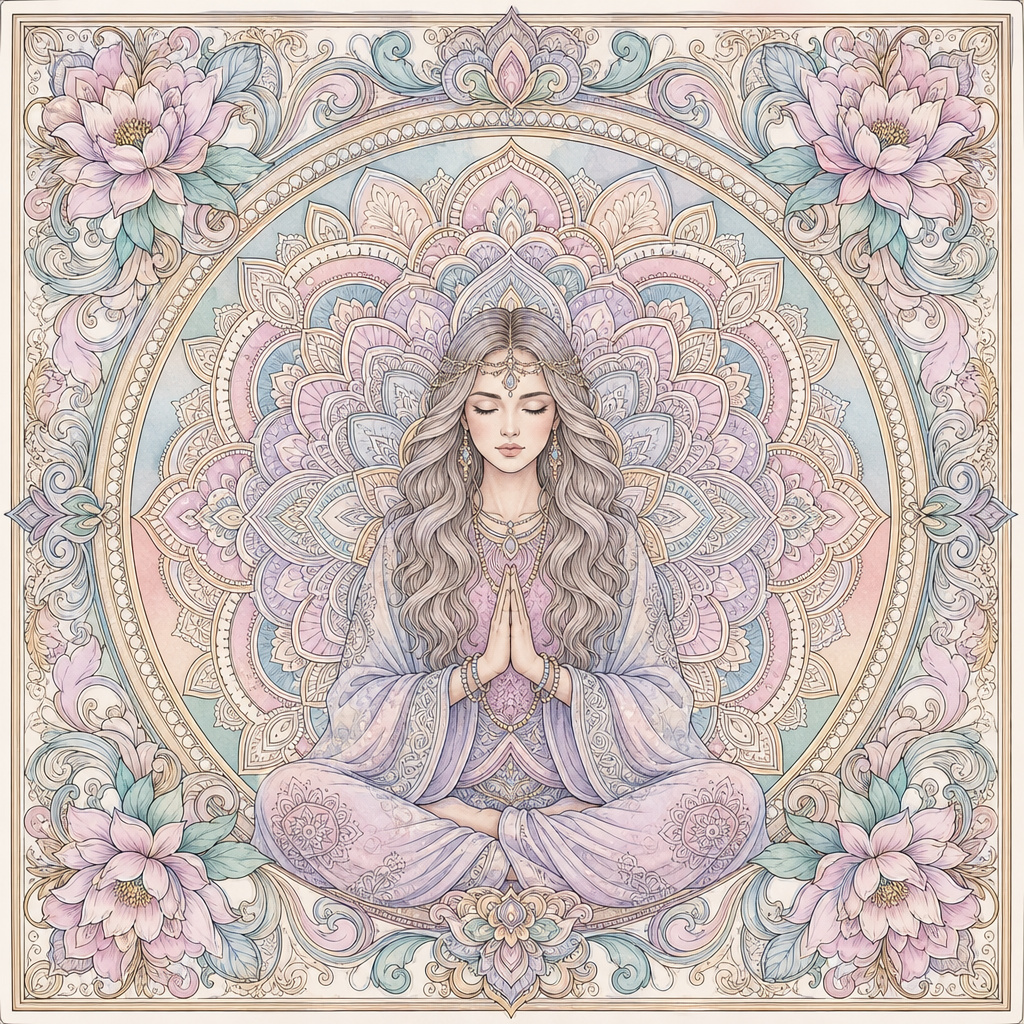
1. Mandalas (the AATA-cited gold standard)
Mandala-style geometric patterns are the most-studied genre for anxiety reduction. The radial symmetry creates the strongest “flow” effect. Look for medium-detail mandalas — too detailed and you’ll get frustrated; too simple and your mind wanders. Our adult coloring worth-it analysis covers when investment in a quality mandala book pays off.
Best for: peak anxiety moments, evening wind-down, anyone new to coloring-for-anxiety.
2. Botanical/floral books
Second-place by research. Less symmetrical than mandalas but still structured. Nature themes carry additional calming associations from environmental psychology. Botanical books work well for people who find pure geometry boring.
Best for: gardeners, nature-lovers, anyone who finds mandalas too “clinical.”

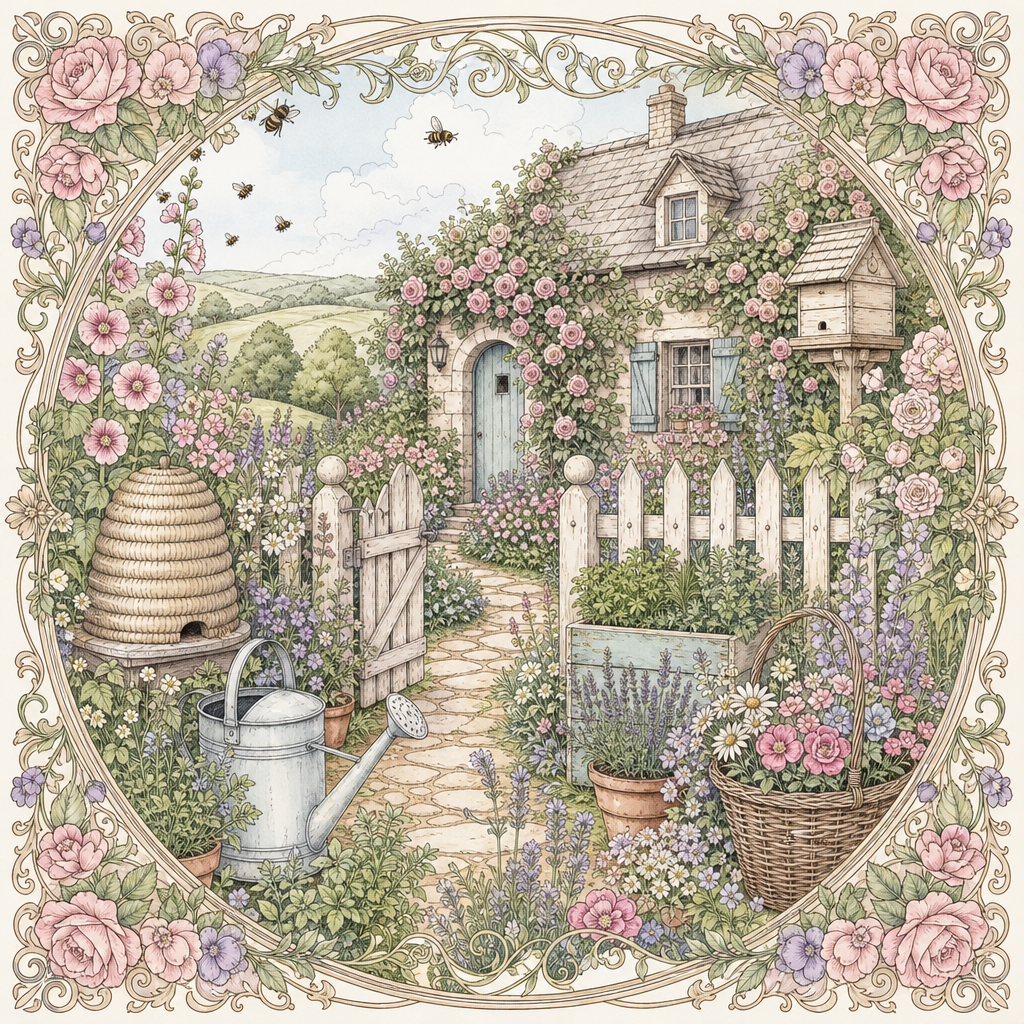
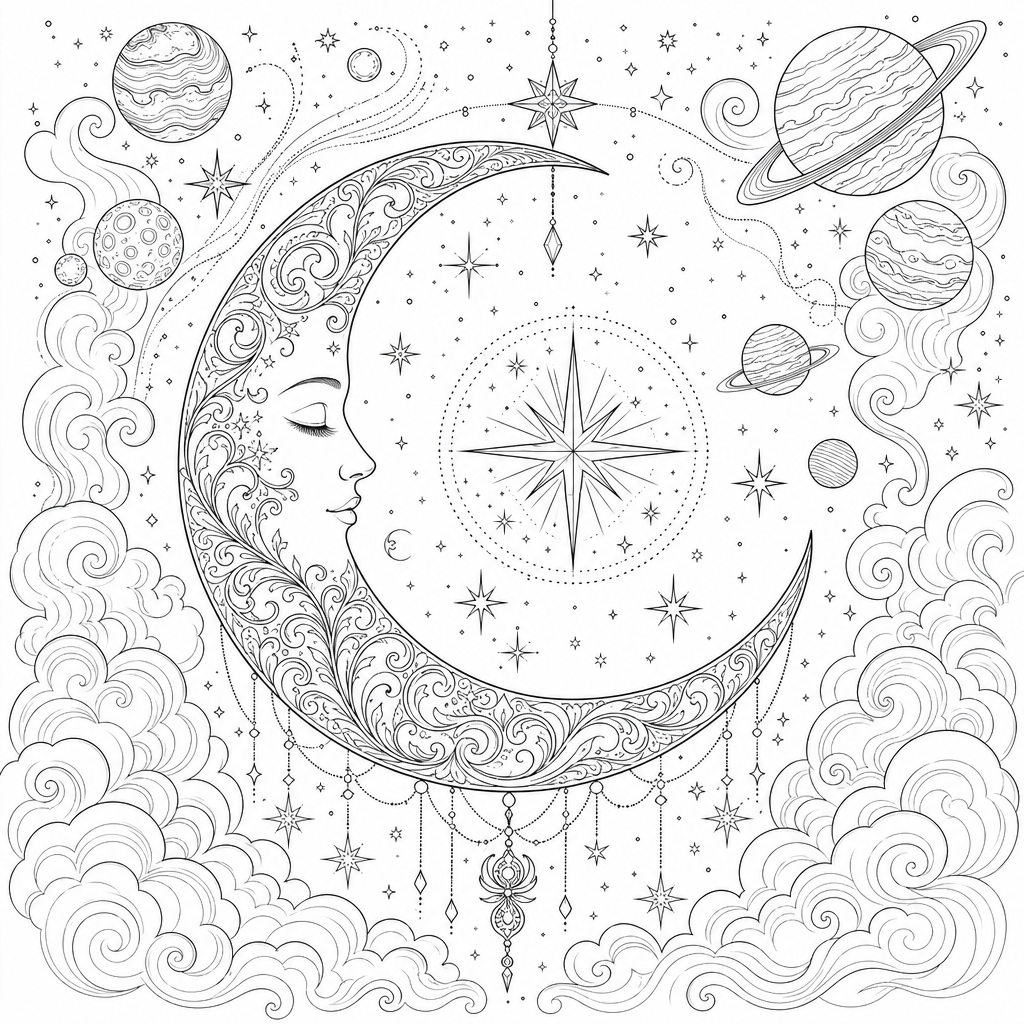
3. Cottagecore / cozy scenes
A newer genre but increasingly popular. Cottagecore coloring books (cozy houses, teacups, soft countryside) trigger emotional safety cues. Less research support specifically, but high reported satisfaction in user surveys.
Best for: people whose anxiety includes loneliness or homesickness.
4. Repeating-pattern / zen tangle
Pages filled with repeating small patterns — leaves, scales, geometric tiles. Even more repetitive than mandalas, which is exactly the point. The brain gets nowhere to wander.
Best for: ADHD or racing-thought patterns. Surprisingly effective for people who can’t quiet their mind with traditional meditation.
5. Animals (medium-detail, friendly)
Friendly-faced animals (cats, owls, foxes) in stylized poses. The “friendly face” recognition triggers oxytocin response. Works because it pairs the coloring flow state with social-emotional calming. Some of the best coloring books for anxiety in this category use kawaii-style art.
Best for: people who find pure pattern work boring; cat/dog lovers.
What NOT to color when anxious
Counter-productive choices that often appear in anxiety-focused lists but actually make anxiety worse:
- Hyperdetailed adult coloring books (Johanna Basford-style with tiny details). They’re beautiful but they can trigger perfectionism and “I’m bad at this” loops. Save them for non-anxious days.
- Free-form / blank pages. When you’re anxious, decision-making is harder. The structure of an outlined page is part of the therapy. Free-drawing pages often worsen anxiety.
- “Dark” or horror-themed coloring books. Some adult coloring books lean into skulls, monsters, or grim themes. Subject matter affects mood — anxiety isn’t the time.
- Tiny detailed mandalas. The biggest mandala trap. Medium detail is the sweet spot — see our best stress-relief books roundup for the specific detail level.
Best coloring books for anxiety — what supplies pair best
Anxiety coloring sessions reward forgiving supplies — not premium ones. Pressure to “do it right” is counterproductive. Use what you already have, or grab a basic 24-pencil set. Our markers vs colored pencils writeup explains why pencils are usually the better choice for anxiety-focused use — markers introduce stress around mistakes that can’t be erased.
If you print pages at home, the right paper matters less here than for “showpiece” work. Standard printer paper is fine for pencil-based anxiety coloring. See our paper guide if you want to upgrade.
How long does an anxiety coloring session need to be?
Research suggests 20 minutes is the minimum effective dose. Shorter sessions don’t reliably reach the flow state. Longer sessions are fine but not necessary — you don’t have to finish a whole page in one sitting.
Best routine: 20-minute sessions, 3-5 times per week, ideally at the same time of day. Evening before bed is the most popular slot. Phone in another room. The structure is part of the therapy.
Digital vs printed best coloring books for anxiety
Both work but printed wins for anxiety specifically. Three reasons:
- Tablet glare and notifications undermine the “narrow attention” mechanism.
- Physical objects feel more grounding.
- Setting down the coloring book is a clearer “session over” signal than closing an app.
If you only have a tablet, dim the screen, enable Do Not Disturb, and use a dedicated coloring app rather than a generic drawing tool.
FAQ
Does coloring actually help anxiety in the long term? Short answer: research shows reliable reductions in state anxiety (the moment-to-moment feeling), not necessarily trait anxiety (the underlying disposition). Coloring is a coping tool, not a cure. Pair with therapy for chronic anxiety.
What if I’m “bad” at coloring? Doesn’t matter. The mechanism is the focus, not the result. Stay inside the lines if you want — or don’t.
How do I get started? Pick a mandala or botanical book, set a 20-minute timer, get away from your phone, and start. Don’t overthink it. The best coloring books for anxiety are the ones you’ll actually use, not the most beautiful ones on the shelf.
Are some books “designed” for anxiety? Some marketed-as-anxiety books are gimmicks. Look at the actual page styles before buying — medium-detail repetition is what you want, regardless of cover marketing.
Bottom line
The best coloring books for anxiety are mandalas, botanical patterns, cozy cottagecore scenes, repeating zen-tangle pages, and stylized friendly animals — in roughly that order of research support. Use forgiving supplies, color for 20+ minutes, avoid hyperdetailed or “dark” themes when anxious. The mechanism is structured focus, not artistic achievement. Pick the genre that feels most appealing and commit to a 3-5x/week routine.

Every Squiggle Press book — 40 printable PDFs for $9.99
Kids coloring books, adult coloring books, drawing tutorials & sticker packs. $160 value. Print unlimited copies forever.
Get the bundle →