Some links below are affiliate links. If you buy through them we may earn a small commission at no cost to you.
The best lamp for coloring is an LED desk lamp with adjustable brightness, neutral-white light around 4000K, and a wide, even beam that covers the whole page. A flexible arm or clamp is the finishing touch.
Below are six widely sold lamps grouped by type, with who each one suits and who should skip it.
For most households, pick a mid-range LED desk lamp with a dimmer and color temperature settings, such as the TaoTronics LED Desk Lamp. The BenQ e-Reading Desk Lamp suits long detailed sessions, and the IKEA Tertial Work Lamp or Lepower Metal Clamp Desk Lamp cover a kid’s craft corner on a small budget. For very fine linework, look at the OttLite or Brightech magnifier styles.
Quick comparison
| Pick | Best for | Type | Why it stands out |
|---|---|---|---|
| TaoTronics LED Desk Lamp | Shared family desks | Mid-range desk lamp | Several color temperature settings, clamp or weighted base option |
| BenQ e-Reading Desk Lamp | Long, detailed adult sessions | Premium desk lamp | Auto-dimming sensor and a wide, asymmetric beam |
| IKEA Tertial Work Lamp | Starter kid’s craft corner | Budget clamp lamp | Articulating arm and clamp at an entry-level price |
| Lepower Metal Clamp Desk Lamp | Clipping to a table or shelf | Budget clamp lamp | Swing arm and clamp base, simple to set up |
| OttLite Natural Daylight Lamp | Matching pencil and pen shades | Daylight craft lamp | Daylight-style color, some models with a magnifier |
| Brightech LightView Pro Magnifying Lamp | Tiny patterns and fine linework | Magnifier lamp | Large lens on a swing arm |
Check price on each listing, since models and bundles change often. Always confirm the color temperature, dimming and base type on the exact version you are buying.

Mid-range and premium desk lamps
These are the all-rounders. They add dimming and usually some control over color, which is what separates a coloring lamp from a plain reading light.

TaoTronics LED Desk Lamp
A mid-range desk lamp with several color temperature settings and a choice of clamp or weighted base depending on the model. It is a common suggestion for shared family desks, because one lamp can handle homework, a parent’s adult coloring book and general reading.
Best for: households that want one lamp for kids and adults, with a dimmer and a neutral-white setting.
Watch out for: it is built for a fixed desk, not for carrying around. Models differ, so check the listing for the base type and the settings you want.
Skip it if: you need a lamp for travel coloring or for moving between rooms.
BenQ e-Reading Desk Lamp
This premium line is known for a sensor that adjusts brightness to the light in the room, plus a wide, asymmetric beam designed to cover a whole desk without glare. It suits adult colorists who spend long stretches on mandalas or botanical pages.
Best for: regular, long coloring sessions where steady light across a full spread matters.
Watch out for: it costs noticeably more than clamp lamps, and automatic dimming may not suit everyone, so check whether you can set brightness by hand.
Skip it if: you only color now and then, or you are furnishing several kids’ desks at once.

Budget clamp lamps
A clamp lamp frees up table space and is harder for a child to knock over than a tippy weighted base. Both picks here are simple and low cost.
IKEA Tertial Work Lamp
A classic articulating-arm work lamp with a clamp, popular as a starter lamp for kids’ craft corners and dorm-style desks. The related Forsa work lamp follows the same idea. Many versions take a standard bulb, so you can often choose your own, but check the listing for what is included.
Best for: a first coloring lamp for a child’s desk or a craft table.
Watch out for: most versions have no built-in dimmer or color temperature choice, so the quality of light depends on the bulb you use.
Skip it if: you do detailed shading and want adjustable brightness or a set neutral-white mode built in.
Lepower Metal Clamp Desk Lamp
One of the budget-friendly flexible-arm options, with a swing arm and a clamp that grips a craft table edge or a bookshelf. It is a plain, quick way to get light onto the page.
Best for: a kid’s room where you want decent light without spending much.
Watch out for: many versions keep things simple, often with one warm-white setting. Read the listing for bulb and dimming details.
Skip it if: you want multiple brightness presets or adjustable color temperature.
Daylight and magnifier lamps
These suit colorists who care about shade accuracy or very small details.
OttLite Natural Daylight Lamp
OttLite has built its name on craft and hobby lighting, with light meant to reduce glare and show colors closer to true. That helps when you match colored pencils or gel pens to a reference image. Several models include a built-in magnifier.
Best for: adult colorists who blend shades and want color they can trust.
Watch out for: it sits above generic clamp lamps in price, and features vary a lot between models.
Skip it if: you are on a tight budget or need several lamps at once.
Brightech LightView Pro Magnifying Lamp
A magnifier lamp on a swing arm, sold in several versions and often suggested for crafts and small-detail work. The lens helps with tiny patterns and dense linework.
Best for: very fine pages, tiny zentangle-style patterns, and anyone whose eyes tire on small print.
Watch out for: a lens narrows what you see at once, and the edges can look slightly distorted. It also needs room for the arm and a clamp or base.
Skip it if: you mostly color bold, large designs, or you share the table with small children.

How to choose the best lamp for coloring
Ignore the marketing words like “daylight simulation” and look at these six things.
Adjustable brightness
The right level changes with the window, the time of day and the page. A dimmer or a few brightness steps let one lamp work all day. This matters most for colored pencil shading, which gets washed out under harsh light.
Neutral color temperature
Color temperature is measured in Kelvin. A neutral range of roughly 4000K to 5000K shows colors closest to daylight. A lamp that only offers warm 2700K light can make reds and oranges look duller than they are.
A wide, even beam
A tight spotlight leaves a bright circle and dark corners. A wider, diffused beam lights a whole coloring book spread evenly, with no hot spot in the middle.
An arm or head that moves
A gooseneck, articulating arm or swivel head lets you redirect light as the sun shifts or a sibling joins the table. For kids, a sturdy clamp usually beats a light base that tips over.
Low glare and steady light
Some cheap LEDs flicker in a way you may not notice but your eyes can. Look for a maker’s “flicker-free” claim, and avoid glossy shades that bounce glare onto the page.
Safety for kids
Choose a stable base or clamp, a cord that is not a tripping hazard, and a lamp head that does not get hot to touch. Read the maker’s instructions and safety markings on the listing.
Features that rarely help coloring: app controls, smart-home links and novelty color modes. A built-in USB port can be handy on a shared desk, but it should not decide the purchase.
Where to put the lamp
Placement changes results as much as the lamp does.
- Right-handed colorers: place the lamp to the upper left of the page. Left-handed colorers should use the upper right, so your hand does not cast a shadow on your strokes.
- Height and angle: keep the light slightly above and to the side rather than pointed straight down, which makes hot spots and shadows from pencils and hands.
- Windows: avoid placing the lamp so close to a window that daylight competes with it and hides how colors will look at night.
- Glare: glossy covers, laminated sheets and screens can bounce light back. Move them out of the beam or angle the lamp slightly off-center.
- Evening sessions: use a dim overhead light as well as the desk lamp, so the contrast is not harsh on tired eyes.

Pages that show off good light
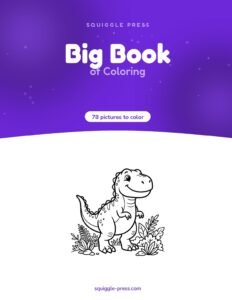
Lighting reveals the paper too. Two-sided pages can ghost through from the back, which no lamp can fix, so our printed Big Book of Coloring, a coil-bound collection of 78 pictures, is printed on one side only. Read more in our guide to single-sided coloring books.
For detail-heavy pages that benefit from even, glare-free light, try the Celestial Dreams and Botanical Gardens printed books, or browse our free mandala coloring pages. For younger kids, start with a stack from our free printable coloring pages.
If a child finds bright overhead light overwhelming, a dimmable lamp can help, and our article on art activities for autistic kids covers sensory-friendly setup ideas.
How we chose
We did not test these lamps ourselves. We compared what the makers say about each one, including light type, dimming, color temperature options, base type and safety information, and we looked at which lamps come up most often in coloring, craft and home-office guides and communities. Models change often, so confirm the details on the listing for the exact version you buy. We show no prices because they change daily, so use the check price link.
What to avoid
- Buying on wattage alone, which says nothing about beam width or color quality.
- Ignoring the base type, then finding a weighted base is too big for a narrow table or a clamp will not fit a thick desk edge.
- Skipping the return policy, since brightness and color often look different in person than in photos.
- A lamp that offers only one fixed warm light, if you do detailed pencil or gel pen work.
Frequently asked questions
What is the best lamp for coloring if I only want one feature?
Choose adjustable brightness. A dimmer lets a single lamp work for morning, evening, kids and detailed adult pages. In everyday use that matters more than color temperature or beam shape, though a neutral-white setting is a very good second feature to look for.
What is the best color temperature for a coloring lamp?
A neutral white range of about 4000K to 5000K shows colors closest to daylight. That helps when you blend shades or match pencils and gel pens to a reference. Warm 2700K light is cozy but can make reds and oranges look duller than they really are.
Do I need a daylight lamp just for coloring?
Not necessarily. A daylight-style lamp helps with color accuracy for detailed adult coloring. For casual or kids’ coloring, a standard adjustable LED desk lamp works well. If you can choose only one upgrade, pick dimming first, then a neutral-white setting.
How bright should a lamp be for coloring books?
There is no single right level, so choose a lamp with adjustable brightness. The best setting depends on the natural light in the room and the time of day. Aim for even light across the whole page without glare, and turn it down if the paper looks harsh.
Are clamp lamps safe for kids’ coloring desks?
Clamp lamps are generally a stable choice when fastened firmly to a sturdy desk edge, and they save table space. Keep the cord out of the way, check that the lamp head does not get hot to touch, and read the maker’s instructions and safety markings.
What is the best lamp for coloring on a tight budget?
A simple clamp lamp such as the IKEA Tertial Work Lamp or the Lepower Metal Clamp Desk Lamp covers the basics. Many versions lack a dimmer or color temperature choice, so check the listing and pick a bulb with neutral-white light if the lamp allows it.
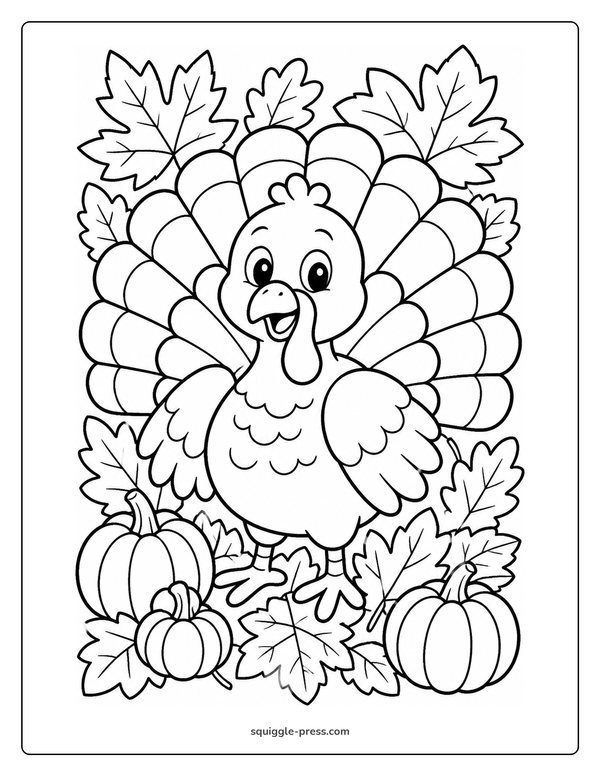
Every Squiggle Press book: 40 printable PDFs for $9.99
Kids coloring books, adult coloring books, drawing tutorials & sticker packs. Over $150 if bought separately. Print unlimited copies forever.
Get the bundle →