Some links below are affiliate links. If you buy through them we may earn a small commission at no cost to you.
If you’ve ever sat in a pediatrician’s lobby while your three-year-old narrates the fish tank at full volume, you already know why good waiting room activities for kids matter. A stocked “waiting bag” can turn a dreaded 20-minute wait into something your child actually looks forward to. The good news is you don’t need much — just a few small, quiet, low-mess ideas that fit in a tote bag or glovebox and come out whenever the clock starts ticking.

The best waiting room activities for kids are small, quiet, mess-free items that don’t need a table or outlet — mini coloring books, a tiny pouch of crayons, sticker scenes, and simple games like “I Spy.” Pack a dedicated waiting bag ahead of time so it’s ready to grab for any appointment, from the pediatrician to the DMV.
The short answer: waiting room activities for kids that actually work
The best waiting room activities for kids are small, quiet, mess-free, and don’t need a flat surface or a power outlet. Think mini coloring books, sticker pages, a small zip pouch of crayons, travel-size games, and simple “I Spy” style challenges. Keep a dedicated bag packed and ready so you can grab it on the way out the door — no last-minute scrambling, no meltdown in the lobby.
This guide is the complete, honest version of what has worked for us and for the parents we talk to every week — not a theoretical list, but a real one you can build tonight with things you probably already own.
Why a “waiting bag” is worth building
Doctor’s offices, dentists, the DMV, salons — kids spend more time waiting than most of us realize, and long waits are genuinely hard for young nervous systems still learning patience and self-regulation. The American Academy of Pediatrics notes that structured, hands-on play helps children manage boredom and anxiety far better than passive screen time does (healthychildren.org). A pre-packed set of waiting room activities for kids removes the guesswork so you’re not digging through your purse for a stray crayon while everyone stares.
Keep the bag small on purpose. You want things that live flat in a backpack pocket, don’t need a table, and won’t roll under the chairs in the lobby. A clipboard, a zip pouch, and a few paper items usually beat a big toy box every time.

There’s also a simple, practical reason to build this bag once and keep it stocked: appointments rarely happen on your schedule. A sick visit, a last-minute dentist cancellation that opens up, a DMV renewal you forgot was due — these things sneak up on even the most organized parent. When the bag already lives by the door or in the car, you skip the ten minutes of scrambling that usually ends in someone forgetting shoes, let alone crayons.
What makes an activity “waiting room friendly”
- Quiet — no beeping toys or games with sound effects
- Low mess — no loose crumbs, no glitter, no markers that bleed through onto someone else’s chair
- Self-contained — one bag, nothing extra needed
- Fast to start — your child shouldn’t need 10 minutes of setup for a 10-minute wait
- Works without a table — a clipboard or stiff book cover solves this instantly
Keep this short checklist in mind as you shop or pack, and you’ll naturally filter out the toys and kits that look fun in a store but fall apart the moment you’re balancing them on a knee in a crowded lobby.
7 easy waiting room activities for kids
Here are seven tried-and-true waiting room activities for kids, roughly ordered from “toss it in the bag tonight” to “takes a little planning.” Mix and match based on your child’s age and how long the wait usually runs.
1. A mini coloring book and a handful of crayons
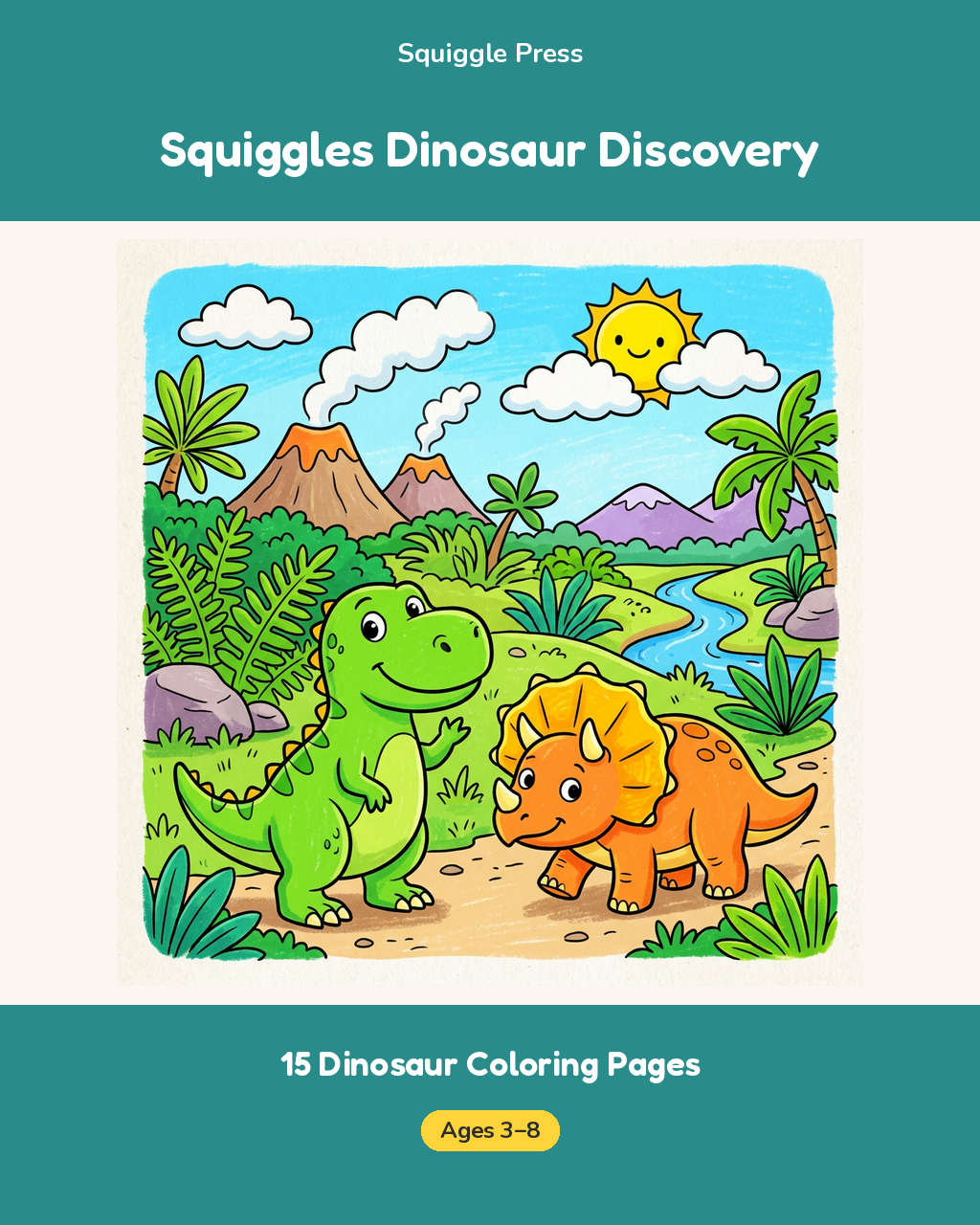
This is the classic for a reason. A small coloring book with simple pages travels well, doesn’t need a flat table, and keeps little hands busy without any noise. Look for books with pages printed on one side only, so a marker or heavier crayon stroke never bleeds through to the next picture — handy when you’re coloring on a wobbly knee instead of a desk. Our Dinosaur Coloring Book and Unicorn Coloring Book are both coil-bound, so pages lie flat and don’t flop around while your kid is balancing it on their lap in a waiting room chair.
2. A tiny zip pouch of “waiting only” supplies
Kids get excited about supplies that feel special because they only come out for waiting rooms. A small zip pouch with six triangular crayons or short colored pencils (look for a brand like Crayola or Faber-Castell in a travel-size tin) keeps things contained. For more ideas on building a grab-and-go kit, our guide to travel coloring supplies covers exactly what fits in a small bag without spilling everywhere.
3. Sticker scenes
Peel-and-stick scenes are nearly mess-free and endlessly satisfying for kids ages 3-7. A sheet of stickers and a simple background page can occupy a toddler for a surprisingly long stretch, and there’s no risk of a crayon rolling off the chair. Many sticker scenes are also reusable, which means the same sheet can come out again at the next appointment without feeling stale.
4. “I Spy” and quiet observation games
No supplies needed at all — just eyes and imagination. Try:
- “I spy something blue” using the waiting room itself
- Counting how many people are wearing sneakers
- Guessing what sound the next door opening will make
- Naming an animal for every letter of the alphabet, quietly
These cost nothing and work anywhere, which makes them a great backup when the bag is empty or forgotten. They’re also genuinely useful for siblings of different ages, since you can make the game harder or easier on the fly depending on who’s playing.
5. A small sketchbook for open-ended drawing
For kids who’d rather create their own pictures than color someone else’s, a compact sketchbook with a stiff back cover doubles as a lap desk. We rounded up sturdy, travel-ready options in our post on the best sketchbooks for kids, including a few with covers firm enough to draw on without a table.
6. Puffy sticker books or reusable felt boards
Reusable sticker and felt sets let kids build the same scene over and over, which is great for repeat waiting room visits (looking at you, orthodontist). They’re quiet, don’t need sharpening, and pack flat.
7. A printed mini activity packet from home
Print a few pages the night before a known appointment — a maze, a simple coloring page, a dot-to-dot. Our free coloring pages library has dozens of printable options you can grab in under a minute, so you always have fresh pages on hand without buying anything.
Packing a waiting room bag by age
What counts as a good waiting room activity for kids shifts quite a bit between a toddler and a tween. Here’s a quick breakdown to help you pack smarter instead of just grabbing whatever’s closest to the door.
| Age | Best waiting room activities for kids | What to avoid |
|---|---|---|
| Ages 2-4 | Chunky crayons, sticker scenes, soft books, simple “I Spy” games | Small loose pieces, anything with tiny caps that come off easily |
| Ages 5-8 | Mini coloring books, dot-to-dots, mazes, short sketchbooks | Multi-step craft kits that need glue or scissors |
| Ages 9-12 | Detailed coloring pages, word searches, sketchbooks, travel card games | Anything that feels “babyish” for their age |
For a bigger activity bag that covers multiple ages and interests at once, something like The Big Book of Coloring (78 pictures, coil bound) rides well in a car or diaper bag since one copy can rotate between siblings of different ages during the same wait.
Keep it low mess, every time
Waiting rooms are shared spaces, so low mess matters as much as low noise. Skip markers that smudge, avoid loose glitter, and stick to supplies that won’t stain upholstery. If your child loves markers at home, save those for the kitchen table and pack crayons or colored pencils for the lobby instead — they’re far more forgiving on a lap or a shared armrest.
It also helps to do a quick “pocket check” before you leave the house. Open the zip pouch, make sure the crayon tips aren’t snapped, and confirm the sticker sheet still has stickers left on it. A thirty-second check at home saves you from discovering a dried-out marker or an empty sticker page right when you need it most.
Short waits vs. long waits: matching the activity to the clock
Not every wait is the same length, and matching your waiting room activities for kids to the actual time on the clock makes a real difference. A five-minute wait at the pharmacy counter calls for something quick and low-commitment, like an I Spy round or a single sticker page. A forty-minute specialist wait is a better moment to pull out the sketchbook or a longer coloring page, since your child has time to actually settle into it.
If you genuinely don’t know how long a visit will run — a new doctor, an unfamiliar office, a walk-in clinic — pack for the long wait and treat a short one as a bonus. It’s much easier to put an unused coloring book back in the bag than to improvise entertainment on the spot when a ten-minute visit turns into fifty.
Simple scripts to set expectations before you even sit down
A short, calm heads-up in the car or parking lot can prevent a lot of lobby wiggling. Something as plain as, “We might wait a little while, so let’s pick one thing from your bag before we go in,” gives your child a sense of control and a job to do the moment you walk through the door. For younger kids, naming the wait in concrete terms — “we’ll wait as long as it takes to color two pictures” — can make an abstract stretch of time feel much more manageable.
Keeping the bag stocked without extra trips
The biggest reason waiting room bags fail is that nobody refills them after the first use. Build a two-minute habit: when you get home from an appointment, toss the used coloring book back in and swap in a fresh printable page from your free coloring pages stash. If you want a bigger reserve of printable pages without printing one at a time, the Everything Bundle gives you 40 printable coloring books to pull from whenever the bag runs low — no extra shopping trip required.
A small caddy or pouch dedicated to just this purpose also helps. If art supplies tend to scatter around your house in general, our guide on colored pencil organizers has ideas that work just as well for a grab-and-go waiting kit as they do for a craft shelf.
It’s worth doing a seasonal refresh, too. Every few months, swap out worn pages, replace broken crayons, and rotate in a new theme your child is currently obsessed with — dinosaurs one season, unicorns the next. A bag that feels slightly new each time keeps the novelty working in your favor instead of going stale.
When screens feel like the only option
There’s no shame in a phone during a rough wait — sometimes that’s genuinely the right call. But research summarized by the Centers for Disease Control and Prevention points to benefits in balancing screen time with hands-on, creative play for young children’s attention and self-regulation skills (cdc.gov). Waiting room activities for kids that use hands and imagination, even for just five or ten minutes, give kids a break from screens without asking too much of a tired parent in a stressful moment.
A good middle ground: let your child pick one physical activity from the bag first, and keep the phone as the backup if the wait runs long or the appointment itself gets stressful (shots, dental work, etc.). This keeps screens as a tool rather than the default.
Other settings where the same bag works
Once you’ve built a solid waiting room kit, it quietly solves other situations too — church pews, long car rides, sibling’s sports practices, restaurant waits. We’ve got a dedicated list of ideas for one of the trickiest of these in quiet church activities for kids, many of which overlap directly with what works in a medical waiting room.
Common waiting room mistakes to avoid
Even a well-meaning parent can accidentally undercut their own waiting room bag. A few honest, easy-to-fix mistakes we’ve seen (and made ourselves):
- Packing too much variety. Five options is plenty. A bag stuffed with ten different toys just means more time spent deciding and more things to lose track of.
- Forgetting to replace what got used. An empty coloring book left in the bag “for next time” is really no activity at all.
- Choosing supplies that need a table. If it can’t balance on a lap or a stiff book cover, it probably won’t survive a real waiting room chair.
- Saving the “special” item for a special occasion. Waiting rooms are exactly the special occasion that calls for your child’s favorite sticker sheet.
- Relying only on screens by default. They’re a fine backup, but using them first removes the chance for a hands-on activity to work its magic.
A simple checklist before you walk out the door
- Mini coloring book or printable pages, folded or clipped flat
- Small zip pouch with 4-6 crayons or short colored pencils
- One sheet of stickers
- A snack that won’t crumble (bonus, not required)
- A backup “no supplies needed” game like I Spy in your back pocket
Run through that list once and you’ll have waiting room activities for kids covered for months, not just one appointment. The goal isn’t a perfect, silent lobby — it’s giving your child something to do with their hands so the wait feels shorter for both of you.
The bottom line on waiting room activities for kids
You don’t need a bag full of toys to survive a waiting room with kids — you need a few small, quiet, reliable go-tos that you actually remember to pack. A mini coloring book, a tiny pouch of crayons, a sticker sheet, and a couple of no-supply games will cover almost every appointment, every age, and every kind of day. Keep the bag stocked, swap pages after each use, and the next long wait might just feel easy.
waiting room activities for kids — FAQ
What are good waiting room activities for kids without toys?
No-supply games work great: I Spy, counting colors or objects in the room, naming an animal for each letter of the alphabet, or guessing what sound the next door will make. These require nothing to pack and work in any lobby.
How do I keep a waiting room activity mess-free?
Stick to crayons or short colored pencils instead of markers, use sticker scenes instead of glue crafts, and avoid loose glitter or small pieces. A small zip pouch keeps everything contained and nothing rolls under the chairs.
What age is a waiting room bag good for?
You can build one for any age by swapping contents: chunky crayons and sticker scenes for toddlers, mini coloring books and mazes for ages 5-8, and detailed coloring pages or sketchbooks for older kids ages 9-12.
Is screen time okay for waiting rooms?
Occasional screen time is fine, but pediatric guidance suggests balancing it with hands-on, creative play when possible, since it supports attention and self-regulation skills better than passive screen use alone.
Ready to print some fun?
Real coil-bound coloring books printed on one side only, so markers never bleed through, plus instant printable PDFs and free tutorials to try first.

Every Squiggle Press book — 40 printable PDFs for $9.99
Kids coloring books, adult coloring books, drawing tutorials & sticker packs. $160 value. Print unlimited copies forever.
Get the bundle →