Some links below are affiliate links. If you buy through them we may earn a small commission at no cost to you.
If you’ve stood in the crayon aisle wondering whether those chunky triangular crayons are actually better for your toddler’s tiny fingers — or just clever packaging — you’re not alone. Triangular crayons have become a nursery-school staple, and parents ask us about them constantly. So we dug into the research, tested a few boxes ourselves, and here’s the honest, no-hype answer about triangular crayons versus regular round ones.

Triangular crayons tend to help beginners because their flat sides naturally encourage a tripod grip and they can’t roll off the table. They’re not magic, though — regular crayons work fine too once a child has some hand control. Most families do best with a mix of shapes, plus lots of low-pressure coloring practice.
The short answer
Triangular crayons are generally easier for little hands than regular round crayons, especially for kids under age 4. The flat sides give small fingers something to rest against, which nudges children toward a proper tripod grip (thumb, index, and middle finger) instead of a fisted grab. They also don’t roll off the table, which sounds minor but saves a shocking number of meltdowns. That said, triangular crayons aren’t required — plenty of kids develop great grips with regular crayons, especially with practice and the right coloring pages.
Why grip shape actually matters for toddlers and preschoolers
Before we compare shapes, it helps to understand what’s happening developmentally. Between ages 2 and 4, kids are moving from a whole-fist “palmar” grasp toward a more refined tripod grasp using just three fingers. This shift is a big deal for handwriting readiness later on. The American Academy of Pediatrics notes that fine motor skills like grasping small objects develop gradually and benefit from repeated, low-pressure practice — not forced correction.
That’s really the whole story with triangular crayons: they’re a tool that makes the “right” grip the easy, natural choice, rather than something you have to constantly remind a toddler to do.
Triangular crayons vs regular crayons: a side-by-side look
Here’s how the two shapes stack up on the things parents actually care about:

| Feature | Triangular crayons | Regular round crayons |
|---|---|---|
| Encourages tripod grip | Yes, naturally | Not automatically |
| Rolls off tables/high chairs | No | Yes, constantly |
| Best age range | 18 months–5 years | 4+ years |
| Durability (chunky styles) | Very durable, hard to snap | Varies by brand |
| Cost | Slightly higher | Usually cheaper |
| Good for older kids/adults | Feels awkward | Familiar, comfortable |
Notice that triangular crayons win on the “little hands” categories, while regular crayons hold their own once kids get older. This is the pattern we see over and over: triangular crayons are a stage, not a permanent upgrade.
Do triangular crayons actually improve grip long-term?
This is the question every parent really wants answered. The honest truth is that no large controlled study has proven triangular crayons cause permanently better handwriting years down the line. What occupational therapists do generally agree on is that shorter, chunkier writing tools — triangular or not — reduce the tendency to grab with a whole fist, which is the grip pattern that’s harder to unlearn. So triangular crayons help in the moment, and those moments add up.
Think of it less like a magic fix and more like training wheels. They make the correct movement pattern the path of least resistance while a toddler’s hand muscles are still developing.
When regular crayons are actually the better pick
Triangular crayons aren’t always the right choice. Here’s when we’d reach for regular round crayons instead:
- Older kids (5+) who already have a stable grip and want more control for detailed coloring pages.
- Kids who like to color for long stretches — round crayons can be rotated for shading tricks triangular ones don’t do as well.
- Families on a budget — a basic box of round crayons is often the cheapest coloring supply you can buy.
- Travel and classroom sets where standard crayon boxes are simply what’s on hand.
If your child is past the toddler stage, you honestly don’t need to seek out triangular crayons specifically. A good set of regular crayons paired with fun pages to practice on does the job just as well.
Beyond crayon shape: what really builds hand strength
Crayon shape is one small piece of a much bigger picture. The single best thing you can do for a young child’s fine motor development is simply give them lots of low-stakes coloring time. Frequent, relaxed practice — not any one special tool — is what builds the hand strength and control kids need. We go deeper on this in our guide to coloring and fine motor skills, and if you want to work on the muscles behind handwriting specifically, our pre-writing skills activities post has simple ideas that pair well with any crayon shape.
One practical tip: pages printed on just one side (like ours) let kids press hard and scribble freely without a marker or crayon wax bleeding through to a picture on the back. That small detail matters more than people expect when little hands are still learning pressure control.
How to choose the right crayons for your child’s age
Here’s our rough, real-world guide based on years of watching kids color:
- 18 months–2.5 years: Chunky triangular crayons, ideally the extra-thick “toddler” size. Look for non-toxic, washable formulas from brands like Crayola or Honeysticks.
- 3–4 years: Standard-size triangular crayons or short triangular pencils. This is the sweet spot where grip habits really form.
- 5–7 years: Transition to regular round crayons, triangular colored pencils, or both — let the child choose what feels comfortable.
- 8+ years: Regular crayons, colored pencils, or markers based on the project. Grip is established; comfort and color range matter more now.
Wherever your child lands on this list, having genuinely fun pages to color makes way more difference to their enthusiasm than the crayon shape does. Our free coloring pages are a great low-pressure way to test out a new crayon shape before committing to a full set.
Pairing crayons with the right pages
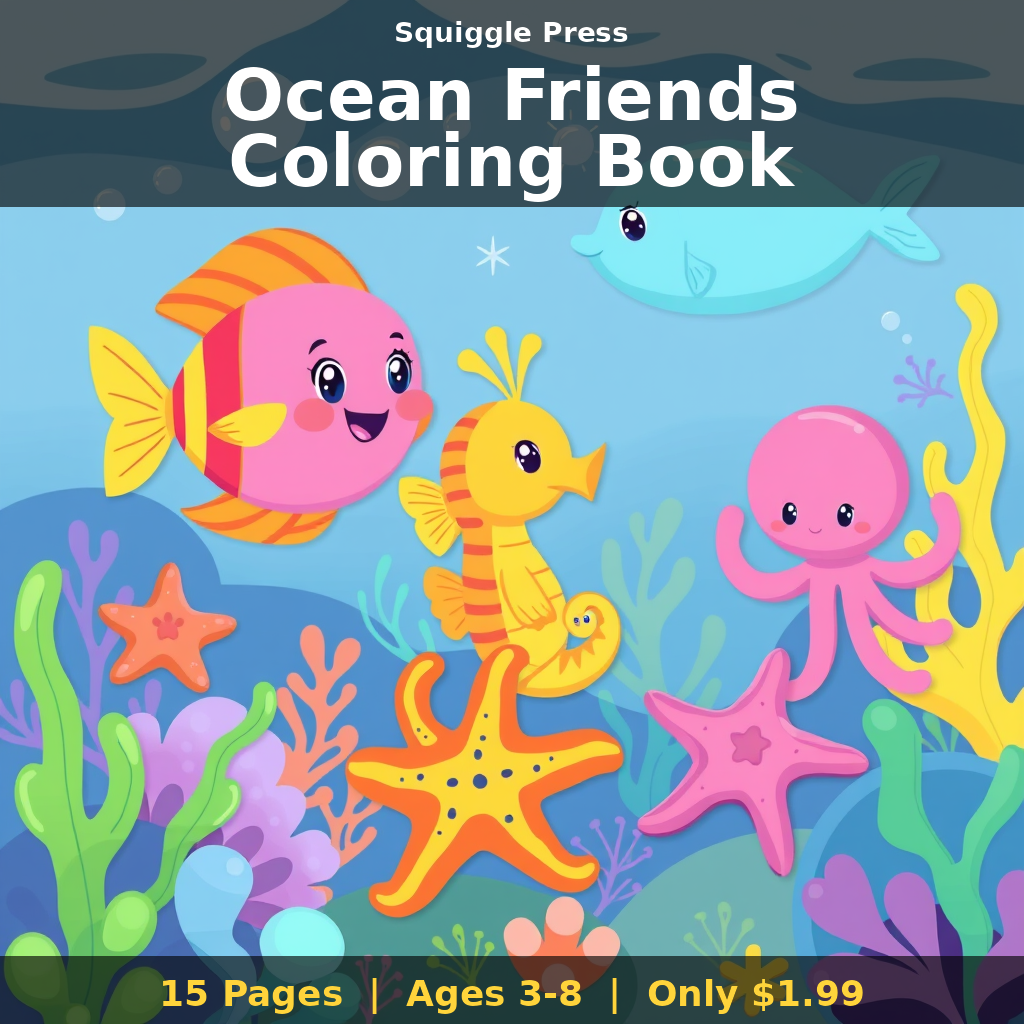
Triangular crayons work best on pages with bold, simple shapes — think big dinosaurs, chunky stars, or friendly animals rather than tiny intricate details. For toddlers and preschoolers still mastering their grip, we designed our printed coloring books with exactly this in mind. The Dinosaur Coloring Book and Ocean Coloring Book both feature large, friendly line art that’s forgiving for little hands still learning to steer a triangular crayon. Both are real, coil-bound books printed on one side only, so wax and marker never soak through to the next page.
If your child is coloring alongside an older sibling or you want more variety in one box, the Big Book of Coloring packs 78 pictures ranging from simple to more detailed, so triangular-crayon toddlers and pencil-wielding big kids can share the same book happily.
Common mistakes parents make with triangular crayons
We hear a few recurring frustrations from parents trying triangular crayons for the first time. Here’s how to avoid them:
- Buying them too big for too long: Chunky toddler-size triangular crayons can feel babyish and clunky to a confident 5-year-old. Size down as skills grow.
- Forcing the “correct” grip: Triangular crayons nudge good habits gently; constantly repositioning little fingers usually backfires and causes frustration.
- Expecting instant results: Grip improvement happens over weeks of casual coloring, not one sitting.
- Ignoring paper choice: Thin paper that lets crayon wax show through on the back can be distracting for kids who like to flip pages and check their work.
None of these are dealbreakers — they’re just easy adjustments once you know to watch for them.
Triangular crayons for classrooms and group settings
Teachers love triangular crayons for one very practical reason beyond grip: they don’t roll off desks during group coloring time, which means fewer interruptions and less crayon-chasing under tables. If you’re setting up a classroom or homeschool coloring station, our classroom coloring activities guide has more setup tips, and stocking a shared box of triangular crayons alongside regular ones lets kids self-select what’s comfortable.
For mixed-age groups — say, a classroom with 3-year-olds and 6-year-olds — we recommend keeping both triangular crayons and regular crayons in the supply bin. Let kids gravitate toward whichever feels natural rather than assigning shapes by age alone.
A quick note for parents of older kids and grown-up colorers
If you’re coloring alongside your child (highly recommended — it’s genuinely relaxing), triangular crayons will feel a little odd in an adult hand. That’s normal; they’re sized for small fingers, not yours. For your own coloring time, regular crayons, colored pencils, or fine markers will feel far more natural. If you’d like to start your own practice, our adult coloring books for beginners guide is a gentle starting point, and books like Celestial Dreams or Botanical Gardens are lovely, detailed options once your child is off doing their own thing with their triangular crayons.
Our honest take
After all our research and testing, here’s where we land: triangular crayons are a genuinely useful, low-cost tool for toddlers and preschoolers, but they’re not essential and they’re definitely not permanent. The bigger factor in developing a good grip and a lifelong love of coloring is simply time spent with crayons in hand, coloring pages that are fun enough to want to finish, and paper that doesn’t punish mistakes. Shape matters less than showing up to color regularly.
If you want to try a wide variety of pages to see what your child gravitates toward — big bold shapes for triangular crayon beginners, or more detailed scenes as skills grow — browse the full Squiggle Press shop, or grab the Everything Bundle for 40 printable books covering just about every theme and difficulty level.
triangular crayons — FAQ
At what age should kids switch from triangular crayons to regular crayons?
Most kids can comfortably switch to regular round crayons between ages 5 and 7, once their tripod grip is well established. There’s no strict rule, though — let your child’s comfort guide the timing.
Are triangular crayons better than triangular pencils for toddlers?
Triangular crayons are usually easier for very young toddlers because they’re thicker and more forgiving of pressure, while triangular colored pencils suit slightly older preschoolers who want finer lines.
Do triangular crayons prevent kids from holding crayons wrong?
They strongly encourage a tripod grip by giving fingers flat surfaces to rest on, but they don’t guarantee it. Some children will still find a fisted grip that works for them regardless of crayon shape.
Are triangular crayons safe for toddlers under 2?
Most triangular crayon brands designed for toddlers are non-toxic and sized to reduce choking risk, but always check the manufacturer’s age recommendation and supervise young children during coloring.
Ready to print some fun?
Real coil-bound coloring books printed on one side only, so markers never bleed through, plus instant printable PDFs and free tutorials to try first.

Every Squiggle Press book — 40 printable PDFs for $9.99
Kids coloring books, adult coloring books, drawing tutorials & sticker packs. $160 value. Print unlimited copies forever.
Get the bundle →