Some links below are affiliate links. If you buy through them we may earn a small commission at no cost to you.
If you’ve ever tried to color a tiny mandala petal or a dinosaur’s tiny scales with a fat marker, you know the struggle. That’s where the best fineliner pens come in – they’re the tool that lets you add crisp outlines, delicate shading, and fine detail work without turning a page into a smudgy mess. Whether you’re an adult coloring enthusiast tackling intricate patterns or a parent helping a kid outline their favorite dinosaur, picking the right fineliner pens makes all the difference between frustration and flow. In this guide, the Squiggle Press team shares the best fineliner pens we’ve tested, what to look for, and a few tricks for getting the cleanest lines possible.

The best fineliner pens for detailed coloring have tip sizes between 0.1mm and 0.5mm and pigment-based archival ink that won’t feather or fade. Top picks include Sakura Pigma Micron, Staedtler Pigment Liner, and Copic Multiliner, ideally in a multi-pack with several tip widths for maximum versatility.
In this guide, the Squiggle Press team rounds up our favorite fineliner pens for detailed coloring, explains what actually matters when shopping for them, and shares a few tricks for getting the cleanest lines possible. We’ll also point you toward some coloring pages that are perfect for testing out your new pens.
The short answer: our top 7 best fineliner pens
For most detailed coloring, look for fineliner pens with tip sizes between 0.1mm and 0.5mm, pigment-based archival ink (so it won’t fade or smear), and a barrel that’s comfortable for long sessions. Brands like Sakura Pigma Micron, Staedtler Pigment Liner, Faber-Castell PITT Artist Pens, and Copic Multiliners consistently top our list of the best fineliner pens because they combine precision with durability. A multi-pack with several tip widths (like 0.1, 0.3, 0.5, and 0.8mm) gives you the most versatility for detailed line art and outlining.
What makes a fineliner pen “the best” for detailed coloring?
Not all fineliner pens are created equal, and the differences really show up when you’re working on small, intricate spaces. Here’s what we look for when testing the best fineliner pens for detailed coloring work.
- Tip size: Anything from 0.1mm (hairline) to 0.5mm (fine but visible) works well for detail. Wider tips like 0.8mm are better for outlining larger shapes.
- Ink type: Pigment-based inks resist fading and won’t smear once dry, unlike dye-based inks.
- Bleed resistance: A good fineliner shouldn’t feather or bleed through standard coloring book paper.
- Consistency: The line width should stay steady from the first stroke to the last, without the tip fraying or splaying.
- Comfort: A slim, lightweight barrel matters a lot during long detail sessions.
Our top picks for the best fineliner pens
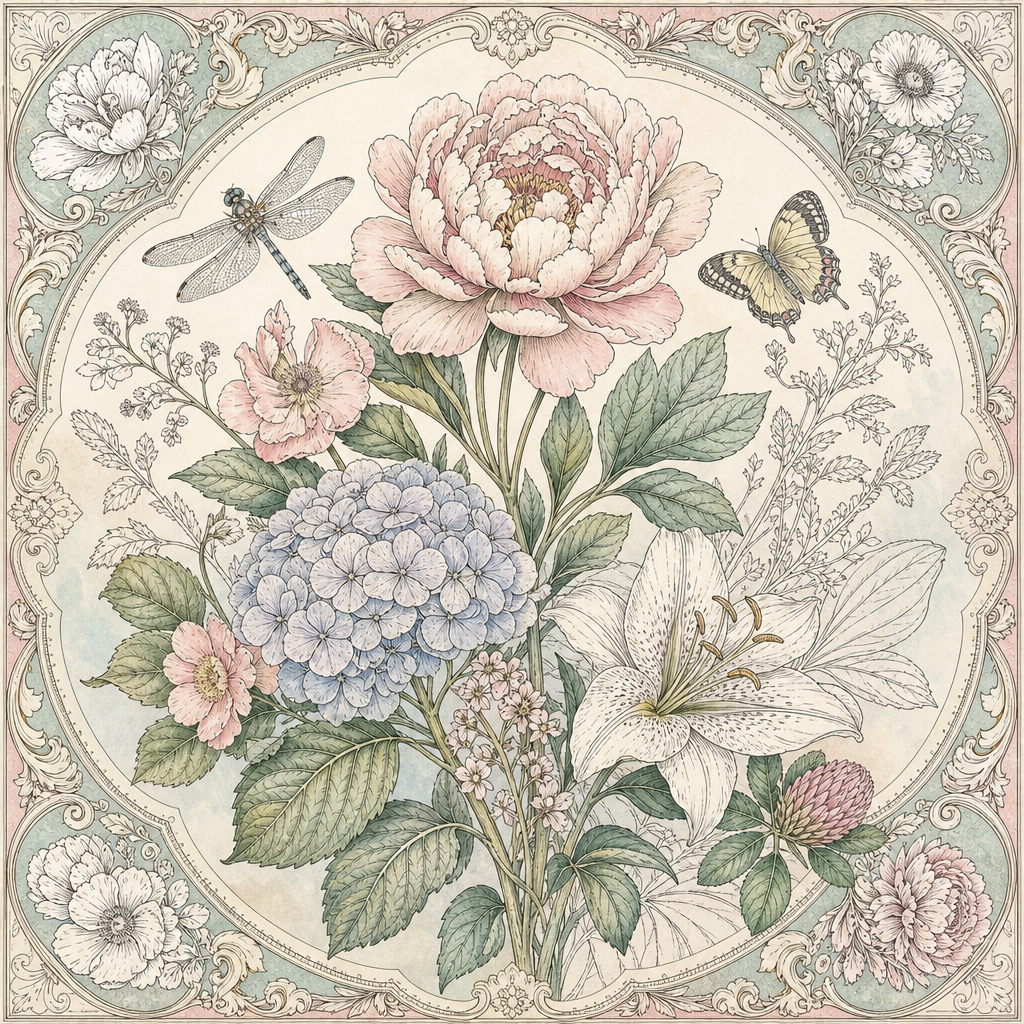
After years of testing pens alongside our own coloring book designs, here are the fineliner pens we reach for again and again. These aren’t ranked strictly first-to-last – each shines in a slightly different situation.


| Pen | Tip Sizes | Best For | Ink Type |
|---|---|---|---|
| Sakura Pigma Micron | 0.15mm – 0.8mm | Fine linework, journaling, mandala detail | Pigment (archival) |
| Staedtler Pigment Liner | 0.05mm – 0.7mm | Technical drawing, botanical illustration | Pigment |
| Faber-Castell PITT Artist Pen | XS – B (brush) | Mixed detail and shading | India ink |
| Copic Multiliner | 0.03mm – 1.0mm | Manga-style detail, refillable barrels | Pigment |
| Tombow Mono Drawing Pen | 0.03mm – 0.8mm | Long coloring sessions (ergonomic grip) | Pigment |
| Zebra Zensations | 0.4mm – 1.0mm | Beginners, budget multi-packs | Pigment |
| Pilot Precise V5 | 0.5mm | Everyday outlining, quick sketches | Liquid ink |
We especially love the Sakura Pigma Micron set for detailed coloring because it comes in a range of tip sizes in one pack, so you’re never stuck using a 0.5mm tip when you really need a 0.1mm hairline. The Staedtler Pigment Liner is a close second – it’s a favorite among our own illustrators for outlining the line art in our printed coloring books.
A closer look at each of our top picks
Since a table can only tell you so much, here’s a bit more detail on why each pen earned a spot on our list of the best fineliner pens.
Sakura Pigma Micron is the pen most illustrators reach for first, and for good reason. The archival ink is rated to resist fading for decades, and the tip holds its shape remarkably well even after heavy use. It’s an especially good choice if you’re coloring pieces you plan to frame or gift.
Staedtler Pigment Liner has a slightly firmer tip than the Micron, which some colorists prefer for very controlled linework like botanical illustration. It’s also one of the more affordable options in this price range, making it easy to build a full set of tip sizes without a big investment.
Faber-Castell PITT Artist Pens stand out because the lineup includes actual brush tips alongside the fine tips, so you can switch from a 0.1mm hairline to a brush stroke for shading without changing brands. This makes them popular with colorists who like to mix fine detail with softer shaded areas.
Copic Multiliners are refillable, which matters if you go through a lot of ink. The barrels last for years, and you simply swap in new ink cartridges instead of tossing the whole pen. That makes them a smart long-term pick if you color often.
Tombow Mono Drawing Pens have a slightly wider, more cushioned barrel than most fineliners, which some colorists find easier on the hand during long sessions. If you tend to get hand fatigue during detailed work, this is worth trying.
Zebra Zensations are a great entry point if you’re not ready to invest in a premium set yet. They’re widely available, inexpensive, and still use pigment-based ink, so you’re not sacrificing much in terms of quality for the lower price.
Pilot Precise V5 pens aren’t technically marketed as fineliners, but their liquid ink and fine 0.5mm tip make them a solid everyday option for quick outlining and sketching when you don’t need archival-grade ink.
Fineliner pens vs. other coloring tools
Fineliner pens aren’t meant to replace your colored pencils or markers – they work best alongside them. Fineliners are for outlining, adding fine detail, cross-hatching, and creating texture, while broader tools fill in larger areas of color. If you’re new to combining tools, our guide on the best blending tools for colored pencils pairs nicely with this one, since blending and fine detail work often go hand in hand on the same page.
Many adult colorists use fineliners to add shadow lines or stippling texture after they’ve laid down color with pencils, then go back with a very fine tip pen to sharpen edges. It’s a technique worth trying if you want your finished pages to look more three-dimensional.
Choosing the right tip size for the best fineliner pens
Here’s a simple way to think about tip sizes when picking the best fineliner pens for a specific project:
- 0.03mm – 0.1mm: Tiny details, eyelashes, fur texture, tiny mandala patterns.
- 0.2mm – 0.3mm: General detail work, outlining small shapes, adding shading lines.
- 0.4mm – 0.5mm: Standard outlining for most coloring book line art.
- 0.7mm – 1.0mm: Bold outlines, larger shapes, kids’ coloring pages.
If you only buy one fineliner pen, a 0.3mm or 0.5mm is the most versatile choice. But if detailed coloring is your thing – think intricate adult coloring book pages like our Celestial Dreams coloring book or the Botanical Gardens coloring book – it’s worth investing in a small set that covers at least three tip widths.
Best fineliner pens for kids vs. adults
Kids and adults often need different things from a fineliner. Younger colorists (ages 3-8) usually do better with slightly thicker tips (0.5mm-0.8mm) since fine motor control is still developing, and these wider lines are more forgiving. According to the American Academy of Pediatrics, fine motor skills like precise pen control continue developing well into the school years, so it’s normal for younger kids to need chunkier tools before they graduate to true fineliners.
For older kids, tweens, and adults working on detailed coloring, a 0.3mm or thinner tip opens up a lot more creative options. If you’re coloring alongside your kids at different skill levels, it’s worth having both a fine-tip set and a slightly bolder set on hand. Our post on coloring and fine motor skills goes deeper into how pen and pencil grip develops over time.
Tips for using fineliner pens without smudging or feathering
Even the best fineliner pens can look messy if you’re not using them on the right surface or with the right technique. Here are a few tips we’ve picked up over years of testing:
- Use quality paper. Thin, low-quality paper causes ink to feather (spread outward) and bleed through to the next page.
- Let ink dry fully before resting your hand on top of a freshly drawn line, especially with liquid-ink pens.
- Work from top to bottom, left to right (or the reverse if you’re left-handed) to avoid dragging your hand through wet ink.
- Store pens horizontally and capped tightly so the tip doesn’t dry out between sessions.
- Test on scrap paper first if you’re using a new brand, since ink flow varies pen to pen.
This is actually one of the reasons we print our coloring books on one side of the page only – it means fineliner ink, markers, and even gel pens won’t bleed through onto the next picture, so you never have to worry about ruining the page behind the one you’re working on.
Simple techniques that make a big difference
Once you’ve got the right pen, a handful of simple techniques can take your detailed coloring up a notch. Cross-hatching, where you layer two sets of parallel lines at an angle, is an easy way to add shadow and depth to a petal or a piece of fur without switching tools. Stippling, or dotting small clusters of dots close together, is another approachable technique that works beautifully with a 0.1mm or 0.2mm tip and gives texture to things like sand, stone, or scales.
Contour lining, where you vary the pressure slightly to make some lines thicker at the edges of a shape and thinner in the middle, adds a surprisingly professional look to outlined art. It takes a little practice, but even a few minutes on scrap paper is enough to get a feel for it.
None of these techniques require expensive tools – they just require the right tip size and a bit of patience, which is exactly why picking one of the best fineliner pens for the job matters so much. Once you’re comfortable with cross-hatching and stippling, try combining both on a single shape: stipple the shadowed side and cross-hatch along the edge where two shapes meet. It’s a small trick, but it’s the kind of detail that makes finished pages look far more polished than the pen you used would suggest.
Where to practice with your new fineliner pens
Once you’ve picked your fineliner pens, the fun part is putting them to use. If you want to test tip sizes and techniques before committing to a full coloring book, our free coloring pages are a low-pressure way to try things out. They’re great for practicing cross-hatching, stippling, and fine outlining without worrying about “ruining” a page you paid for.
For something more substantial, our Big Book of Coloring includes 78 pictures with a nice mix of simple and detailed designs, so you can practice with different tip sizes across dozens of pages. It’s coil-bound and printed on one side only, which – as we mentioned – keeps fineliner ink from ever bleeding through to the next picture.
Detailed coloring themes worth exploring
Fine detail work really shines on pages with intricate patterns, textures, or small repeated shapes. A few themes we recommend if you want to put your new fineliner pens through their paces:
- Mandalas and geometric patterns (lots of tiny repeated shapes)
- Botanical illustrations with detailed leaves and petals
- Ocean scenes with scales, coral texture, and fine linework – check out our ocean animal coloring pages for inspiration
- Dinosaur skin texture and scales, like in our Dinosaur Coloring Book
- Celestial themes with stars, constellations, and fine dot work
If you’re coloring with kids and want a mix of easy and detailed pages in one bundle, the Everything Bundle is a printable collection of 40 books spanning a huge range of difficulty levels, so everyone in the house can find something that matches their skill level and patience for fine detail.
Caring for your fineliner pens so they last
Good fineliner pens aren’t cheap, so it’s worth taking care of them. Always replace the cap fully after use – even a few minutes uncapped can dry out a fine tip permanently. Avoid pressing too hard, since fineliner tips (especially the very fine ones under 0.3mm) can fray or bend under pressure. Store your pens flat rather than upright, which helps keep ink evenly distributed in pigment-based fineliners. With proper care, a quality fineliner pen can last through dozens of detailed coloring projects before it starts to fade.
Kids especially benefit from a designated storage spot for pens, both to keep tips from drying out and to make cleanup part of the routine. If you’re building out a full coloring station at home, our best art kits for kids guide has some good organizational ideas that work well for fineliners too.
Frequently overlooked details when buying fineliner pens
A few things people forget to check before buying the best fineliner pens for their needs:
- Waterproof vs. water-soluble ink – if you plan to add watercolor washes over your linework, make sure the fineliner ink is waterproof once dry.
- Refillable vs. disposable – some higher-end fineliners like Copic Multiliners use refillable ink cartridges, which is more economical long-term.
- Set size – buying a set with 4-6 tip sizes is usually cheaper per-pen than buying individual fineliners.
- Colorfastness – if you’re framing finished work, pigment-based archival ink resists fading from sunlight far better than dye-based ink.
According to research from university art education programs, tools that match a child’s or artist’s current skill level – not just the “best” tool on paper – lead to more enjoyable, sustained creative practice. In other words, the best fineliner pens are the ones that actually get used, not the fanciest set sitting untouched in a drawer.
How much should you expect to spend on the best fineliner pens?
Budget is a real factor for most families, so it helps to know roughly what to expect at each price point. Individual fineliners typically run $2-4 each, while multi-packs with 4-8 tip sizes usually fall between $12 and $30 depending on the brand and whether the ink is archival-grade. Premium sets from brands like Copic or Faber-Castell, especially ones with refillable barrels or brush tips included, can run $30-60 for a full set.
For most home colorists, a mid-range multi-pack in the $15-25 range covers everything you need for detailed coloring without overspending on features you may never use, like extra-wide brush nibs or specialty ink colors. If you’re just starting out, it’s smarter to buy a smaller set of the best fineliner pens you can afford and add specialty tips later as you figure out what you actually reach for most.
Common mistakes to avoid when shopping for fineliner pens
We see the same few mistakes come up again and again when parents and new colorists shop for fineliners, so it’s worth calling them out directly.
The biggest one is buying a single tip size and expecting it to handle every project. A 0.5mm pen is a great generalist, but it will never give you the crisp hairline needed for eyelashes or tiny mandala repeats, and it will feel clumsy trying to outline a large shape meant for a bolder 0.8mm line. Buying at least three tip widths up front saves you from having to reorder pens halfway through a project.
Another common mistake is assuming any black pen will work the same on coloring book paper. Dye-based inks, like those in many ballpoint or gel pens, can smear under a colored pencil or feather on soft paper in a way pigment-based fineliner ink simply doesn’t. If you’ve ever colored over a line only to watch it turn into a gray smudge, that’s usually a dye-based ink problem, not a technique problem.
Finally, people often overlook storage. Leaving pens uncapped, tossed loosely in a drawer, or stored tip-down for long stretches shortens their life dramatically. A simple pen case or jar with pens stored horizontally solves this for pennies.
Frequently asked details on choosing fineliner pens
We get a lot of questions from customers about fineliner pens, especially from parents shopping for older kids or teens who are graduating from crayons to more detailed work. Below are a few more thoughts before you buy.
If you’re buying for a classroom or group setting rather than a single artist, durability and cost per pen matter more than having the absolute finest tip available. Look at our classroom coloring activities post for ideas on building a shared supply kit that includes a range of fineliner tip sizes without breaking the budget.
Ultimately, the best fineliner pens for detailed coloring come down to matching tip size and ink type to your specific project, testing a few brands to find what feels comfortable in your hand, and taking care of your pens so they last. Start with a small multi-pack, practice on some free pages, and you’ll quickly figure out which of the best fineliner pens deserve a permanent spot in your art supplies.
best fineliner pens — FAQ
What tip size fineliner is best for detailed coloring?
A 0.1mm to 0.3mm tip is ideal for fine detail work like mandalas and small patterns, while 0.5mm works well for general outlining. Many artists keep several sizes on hand.
Are fineliner pens the same as markers?
No. Fineliner pens have a rigid, precise tip designed for thin, consistent lines and detail work, while markers typically have a broader, softer tip meant for filling in larger areas of color.
Do fineliner pens bleed through coloring book pages?
Quality pigment-based fineliners resist bleeding on most coloring paper, but thin or low-quality paper can still allow feathering or show-through. Coloring books printed on one side only, like Squiggle Press books, eliminate this concern entirely.
Can kids use fineliner pens for coloring?
Yes, though younger kids usually do better with slightly thicker tips (0.5mm-0.8mm) since fine motor control is still developing. Older kids and tweens can typically handle finer tips around 0.3mm.
How many fineliner pens do I actually need to get started?
A set of three to four tip sizes – something like 0.1mm, 0.3mm, 0.5mm, and 0.8mm – covers nearly every detailed coloring project you’ll run into. You can always add specialty tips or brush pens later once you know what you reach for most.
Ready to print some fun?
Real coil-bound coloring books printed on one side only, so markers never bleed through, plus instant printable PDFs and free tutorials to try first.

Every Squiggle Press book — 40 printable PDFs for $9.99
Kids coloring books, adult coloring books, drawing tutorials & sticker packs. $160 value. Print unlimited copies forever.
Get the bundle →